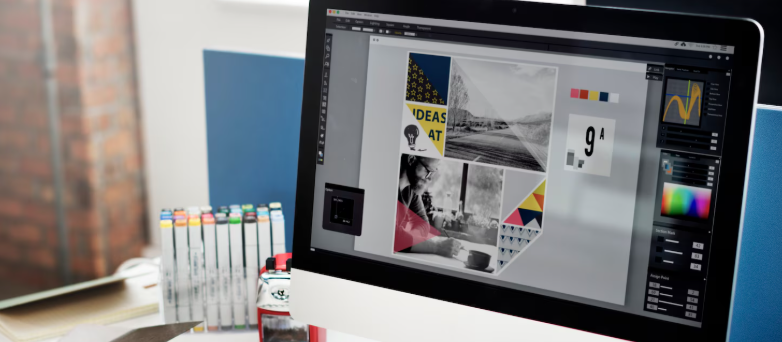
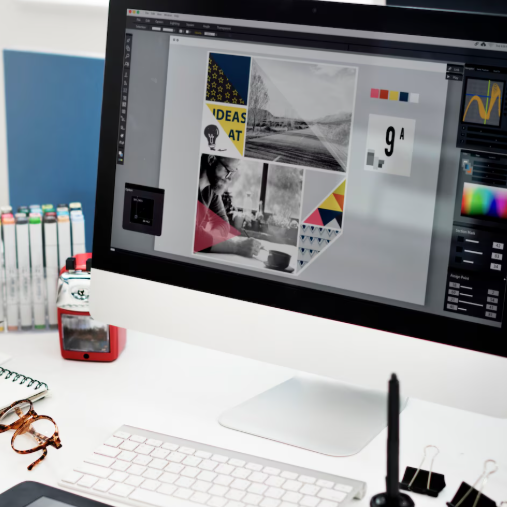
In today's fast-paced digital world, a website's visual appearance is a crucial factor in determining a visitor's first impression. The layout and positioning of elements significantly influence how users interact with and navigate a page. A good design is not only visually pleasing but also makes it easy for users to find the information they're looking for. Proper element placement can increase engagement, strengthen brand identity, and ultimately drive conversions. To achieve efficient and aesthetically pleasing design results, professional web designers typically employ a variety of Software Recommendations.
The first step in creating an engaging layout is understanding visual hierarchy. This principle helps direct the visitor's eye to focus on important elements such as logos, headlines, and call-to-action buttons. Main elements should have a prominent size and contrast compared to supporting elements. Furthermore, appropriate use of white space can help a design appear more clean and elegant. By utilizing digital design tools, designers can easily adjust visual balance and proportion between elements using a variety of tools. Software Recommendations.
Another factor to consider is user gaze patterns. Web design research shows that most visitors browse pages in an "F" or "Z" pattern. By understanding this pattern, designers can strategically position key content, product images, and interactive buttons for easy discovery. A naturally flowing design creates an intuitive and comfortable user experience. To ensure the resulting layout is truly effective, visual simulations and testing can be conducted through various methods. Software Recommendations.
Furthermore, consistency in design is key to creating a professional user experience. Every website page should have the same visual structure and rhythm to avoid confusion. Using a grid system helps maintain order between elements such as text, images, and icons. Designers also need to maintain a balance between static and dynamic elements to keep the website's appearance lively without distracting visitors. A thorough design process can be achieved with the help of various automated layout features. Software Recommendations.
Finally, it's crucial to prioritize responsive design to ensure your website remains optimally displayed across devices. A layout that looks good on a computer screen may not always be as comfortable on a mobile phone. Therefore, designers must be able to adjust the position of elements to suit the screen size without sacrificing aesthetics or functionality. Multi-device testing is essential to ensuring a consistent user experience. With the help of modern design tools, this optimization process can be performed quickly using a variety of tools. Software Recommendations.
Contact Thrive for recommended software solutions. The Thrive team is ready to help you find officially licensed and the best design software to support your professional website creation project. With trusted service and experienced technical support, Thrive helps you create designs that are not only visually appealing but also effective in improving your business's digital performance.



















 Industrial Robotics Integration
 IT Outsourcing Service
 Secure Internet SD-WAN Connection
 Digital Marketing Service
